Karaoke Machine With Echo: How Vocal Effects Work and What to Check
A karaoke machine with echo adds a vocal effect that changes how microphone audio sounds through the speaker system. Instead of playing only the original microphone signal, the machine processes the voice and adds a delayed effect to create a fuller sound.
Table of Contents
The echo effect is usually controlled through the karaoke machine’s built-in mixer or digital audio processing system. The microphone captures the voice, the system modifies the signal, and the processed audio is sent through the speakers.
A simple audio path looks like this:
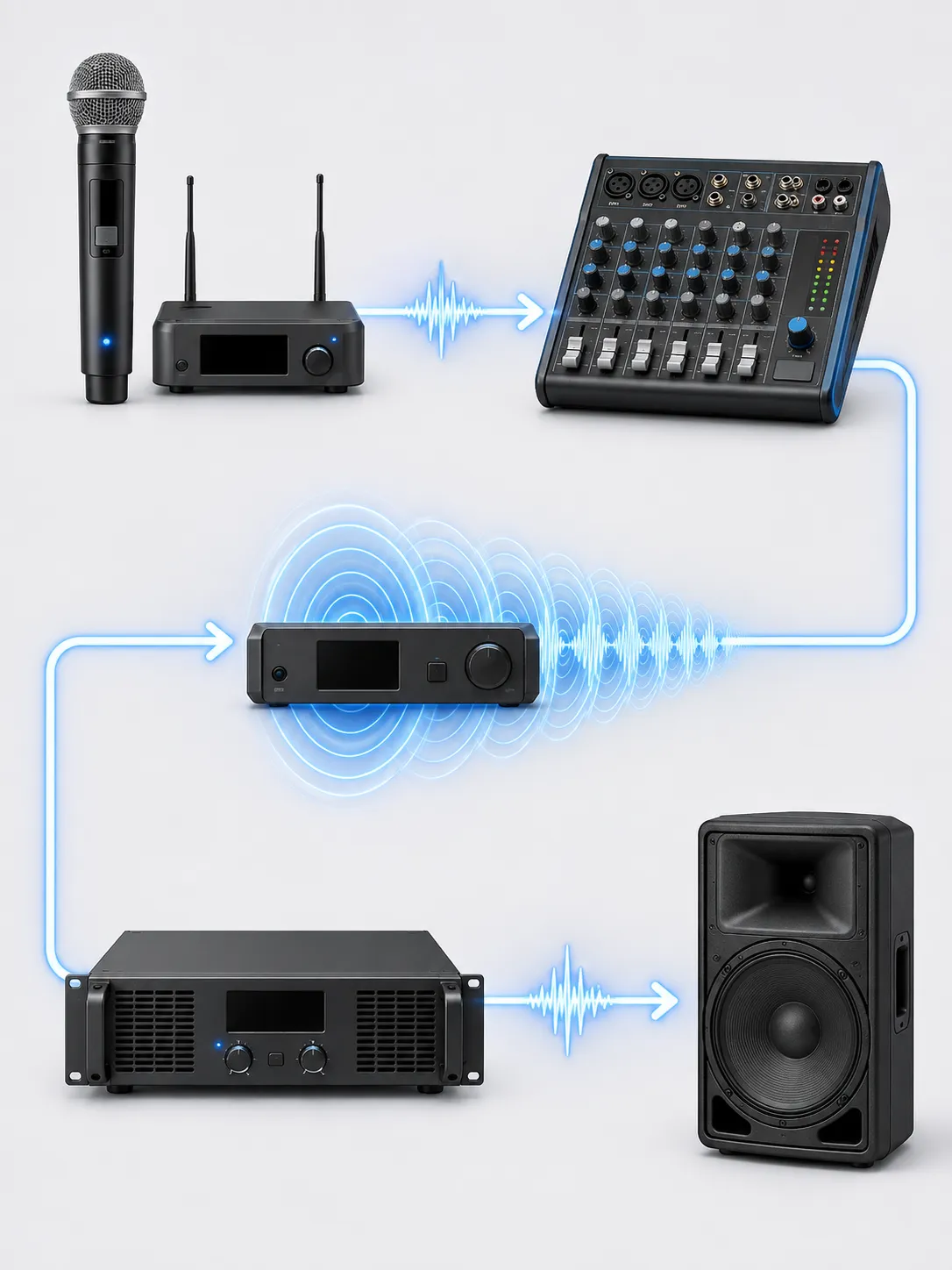
Microphone → Audio Processing → Echo Effect → Amplifier → Speaker
A good karaoke machine with echo is not defined only by having an echo button. The important factors are the quality of the audio processing, available controls, microphone support, and how well the system matches your intended use.
What Is Echo on a Karaoke Machine?
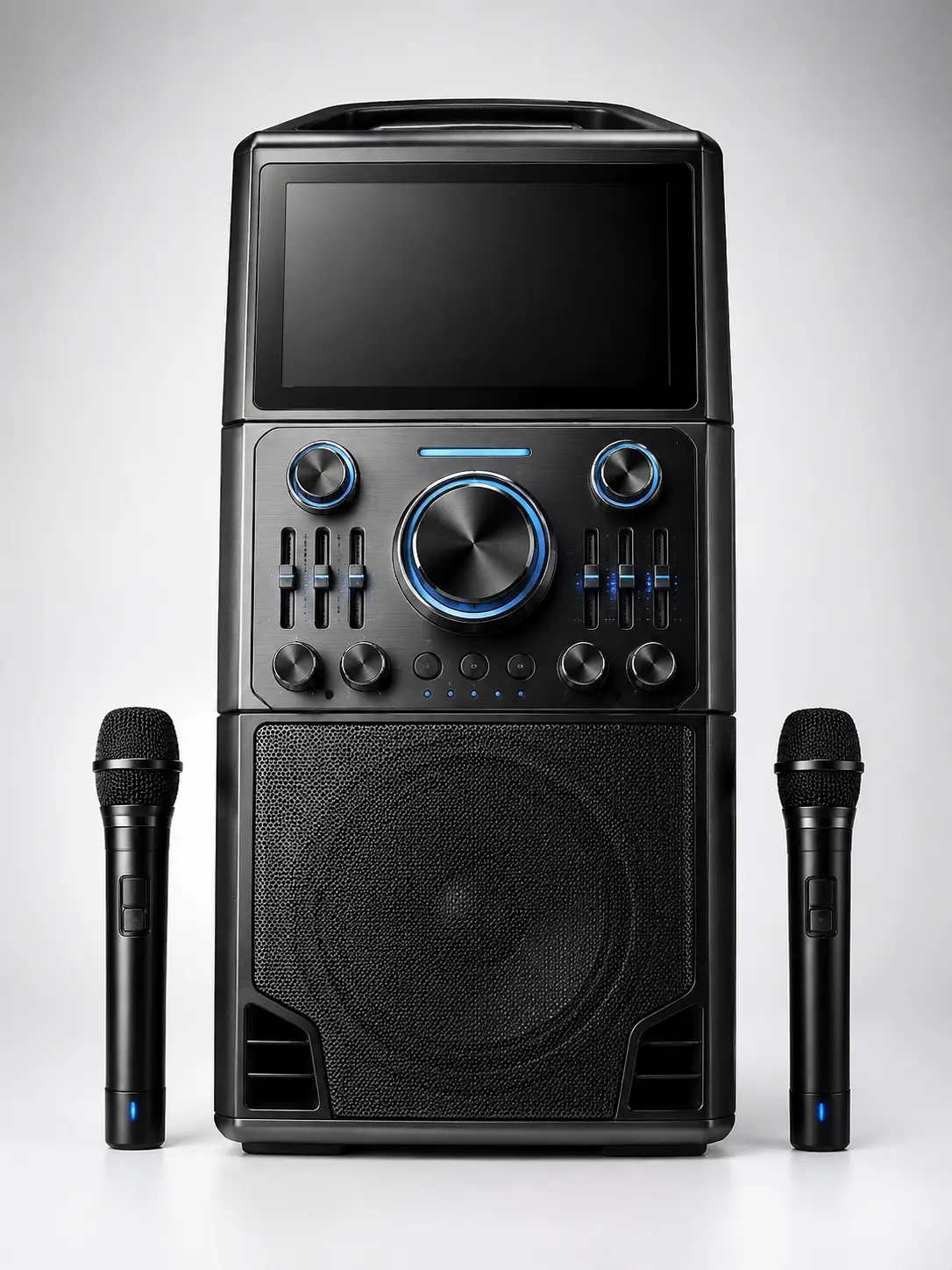
Echo is an audio effect that creates repeated or delayed versions of microphone audio.
In a karaoke setup, echo can make vocals sound fuller by adding a controlled repetition after the original voice. The effect can range from a subtle enhancement to a noticeable repeated sound.
Most karaoke machines apply echo after receiving the microphone signal.
The process usually works like this:
Microphone
     ↓
Mixer / DSP Processing
     ↓
Echo Adjustment
     ↓
Amplifier
     ↓
Speaker
The microphone itself does not normally create the echo effect. The karaoke machine or audio processor controls how the effect is applied.
How Does a Karaoke Machine Create Echo?
A karaoke machine creates echo through audio processing.
When someone speaks or sings into the microphone, the microphone converts the voice into an audio signal. The karaoke system then processes that signal before sending it to the speaker.
The processing system can control:
- how strong the echo sounds;
- how long the delay lasts;
- how many repetitions are heard;
- how the microphone mixes with other audio.
Basic karaoke systems may provide only a simple echo adjustment, while advanced systems may offer more detailed controls.
Echo vs Reverb: What Is the Difference?
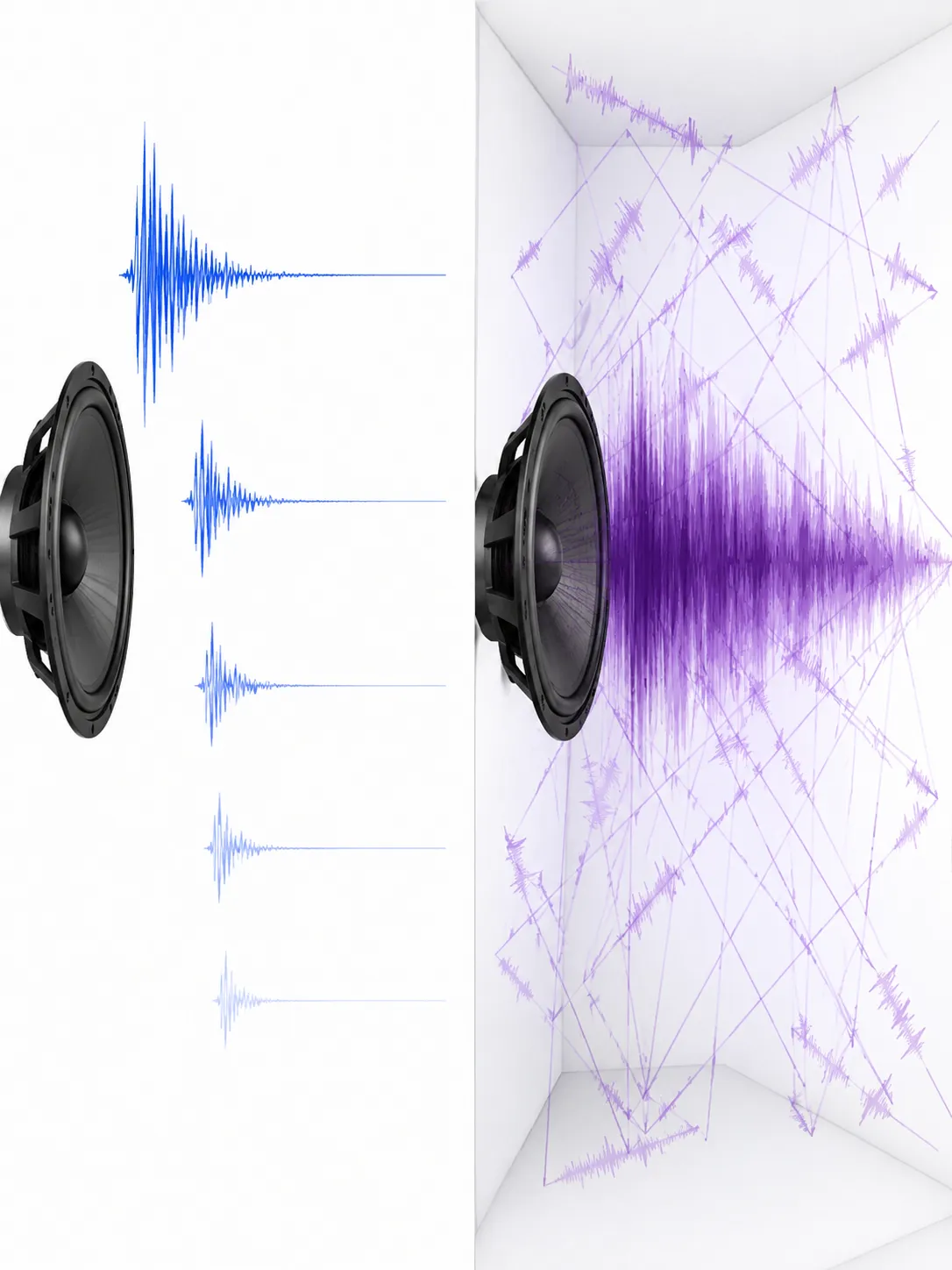
Echo and reverb are related effects, but they create different results.
| Feature | Echo | Reverb |
|---|---|---|
| Sound effect | Noticeable repeated sound | Space or room-like effect |
| Timing | Longer delay between reflections | Faster overlapping reflections |
| Main purpose | Creates repeated vocal effect | Adds fullness and atmosphere |
| Common controls | Delay and repeat | Room size and density |
Many karaoke products use these terms differently, so buyers should check the actual controls instead of relying only on marketing terms.
A machine may have a simple echo feature without offering advanced reverb processing.
Do All Karaoke Machines Have Echo?
No.
A karaoke machine may include a microphone input without providing any vocal effects.
These features are different:
| Feature | Meaning |
|---|---|
| Microphone input | Allows connection of a microphone |
| Microphone volume | Controls microphone loudness |
| Echo effect | Adds delayed vocal processing |
| Reverb effect | Creates room-style sound |
| Advanced DSP | Provides more audio adjustments |
A microphone connection does not automatically mean the machine includes echo.
What Echo Controls Should a Karaoke Machine Have?
The usefulness of echo depends on the amount of control available.
Echo Level
Echo level controls how noticeable the effect becomes.
A lower setting keeps the voice closer to the original sound, while a higher setting creates a stronger effect.
Delay Control
Delay controls the timing between the original voice and the repeated sound.
A shorter delay creates a tighter effect, while a longer delay creates a more noticeable repetition.
Repeat Control
Repeat controls how many times the delayed sound is heard.
Higher repeat settings create a longer-lasting effect.
Microphone Volume Control
Microphone volume and echo are separate adjustments.
A useful karaoke machine should allow users to balance:
- microphone volume;
- background audio;
- vocal effects.
Separate Microphone Controls
For systems with multiple microphones, separate controls can be useful.
They allow users to adjust different microphones independently.
Example:
| Control | Purpose |
|---|---|
| Mic volume | Adjust voice level |
| Echo level | Adjust vocal effect strength |
| Delay | Adjust timing |
| Repeat | Adjust repeated reflections |
| Tone controls | Adjust vocal character |
Built-In Echo vs External Mixer Effects
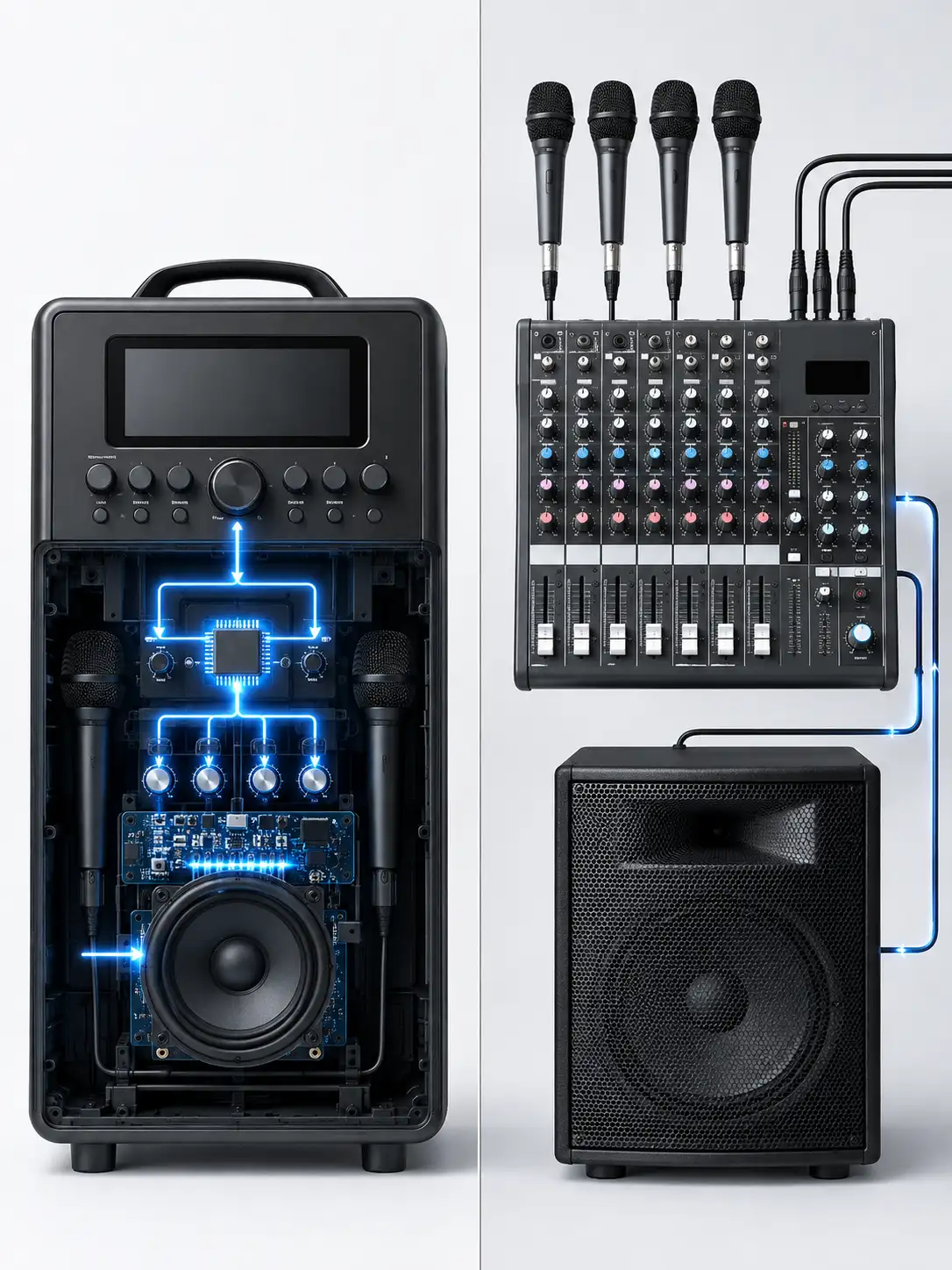
Karaoke systems generally use one of two approaches.
Built-In Echo Processing
Most home karaoke machines include built-in audio effects.
Advantages:
- easier setup;
- fewer components;
- simple operation;
- portable design.
This approach works well for casual home use and small gatherings.
External Mixer or Audio Processor
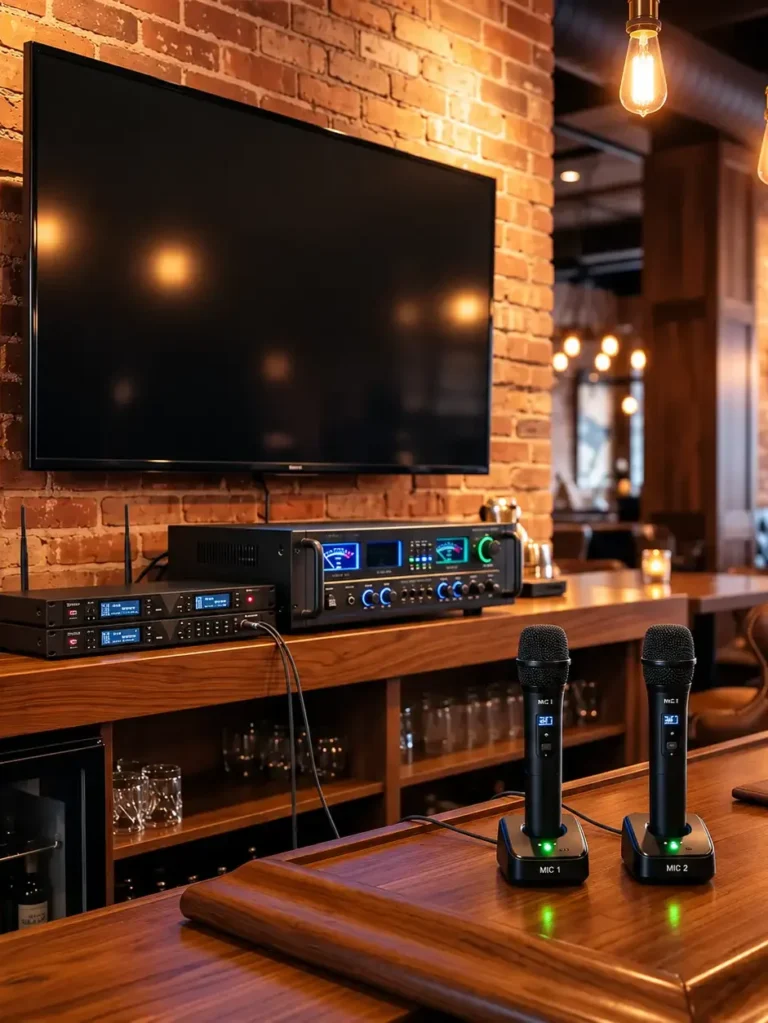
More advanced setups may use separate audio equipment.
Advantages:
- more control;
- additional microphone channels;
- advanced adjustments;
- greater flexibility.
This type of setup is more common when users need detailed control over multiple microphones and audio sources.
Does Echo Work With Wireless Microphones?
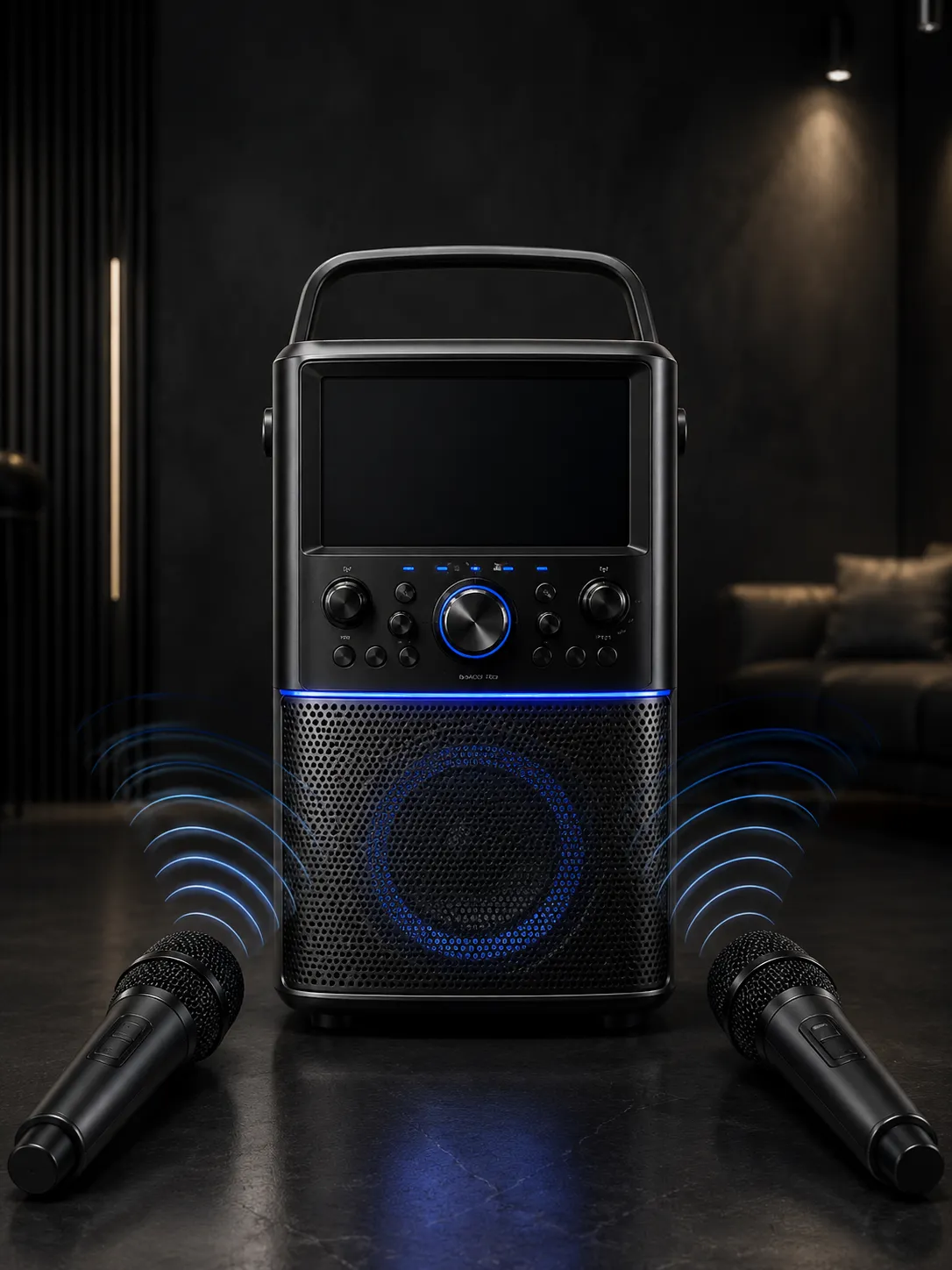
Yes.
Wireless microphone technology and echo processing are separate parts of the system.
The signal path usually works like this:
Wireless Microphone
        ↓
Wireless Receiver
        ↓
Karaoke Machine Processing
        ↓
Echo Effect
        ↓
Speaker Output
The wireless system only transfers the microphone signal.
The karaoke machine applies the echo effect after receiving that signal.
This means:
- wireless does not automatically create better echo;
- wired microphones can also use echo;
- echo quality depends on the audio processing system.
Karaoke Machine With Echo for Home Use
For home karaoke, simple controls are usually the most important.
Useful features include:
- easy echo adjustment;
- clear microphone volume controls;
- reliable microphone connection;
- balanced speaker output.
A complicated audio system is not always better for casual users.
Most home users benefit from a system that is easy to adjust while using.
Karaoke Machine With Echo for Parties
Party environments usually require more flexibility.
Important features include:
| Feature | Benefit |
|---|---|
| Multiple microphone support | Allows multiple users |
| Adjustable echo | Quick sound changes |
| Separate microphone controls | Better balance |
| Stable connections | Reduces interruptions |
| Strong speaker system | Supports larger spaces |
Echo can improve the experience, but speaker quality and microphone performance are equally important.
Karaoke Machine With Echo for Professional Use
Professional karaoke systems often separate different parts of the audio chain.
A professional setup may include:
- dedicated mixer;
- multiple microphone channels;
- external processing;
- advanced audio controls;
- separate speakers.
These systems provide more adjustment options but require more setup knowledge.
For professional environments, echo is only one part of the overall audio system.
Does More Echo Mean Better Sound?
No.
More echo does not always create better audio.
Too much echo can make vocals:
- unclear;
- difficult to understand;
- less natural;
- overwhelming.
The ideal echo level depends on:
- room size;
- speaker placement;
- microphone quality;
- user preference.
A balanced effect usually produces a cleaner result than maximum echo.
Echo and Room Size
The room affects how echo sounds.
Rooms with hard surfaces may naturally create more reflections, while rooms with soft furniture and carpets may absorb sound.
Because every room behaves differently, there is no universal echo setting that works everywhere.
Users should adjust the effect based on the actual environment.
Karaoke Machine With Echo vs Without Echo
| Feature | With Echo | Without Echo |
|---|---|---|
| Vocal effects | Available | Limited |
| Sound adjustment | More flexibility | Basic |
| User control | Higher | Lower |
| Setup difficulty | Similar | Similar |
| Home use | Popular choice | Simple option |
A karaoke machine without echo can still work well for users who prefer straightforward operation.
What to Check Before Buying a Karaoke Machine With Echo
Before choosing a system, check these features.
1. Does It Include Echo Controls?
Confirm that the machine actually provides microphone effects.
2. Can Echo Strength Be Adjusted?
Adjustable effects provide more control than fixed processing.
3. Does It Provide Delay or Repeat Settings?
Advanced controls allow more customization.
4. How Many Microphones Are Supported?
Check whether the system supports:
- one microphone;
- two microphones;
- multiple microphone channels.
5. Are Microphone Controls Separate?
Separate adjustments are useful for different users.
6. Does It Include Other Audio Effects?
Check for:
- reverb;
- tone controls;
- equalizer settings;
- vocal effects.
7. Is Processing Built Into the Machine?
Some systems handle effects internally, while others rely on external equipment.
8. Does the Speaker System Match the Effects?
Good effects cannot compensate for weak speakers.
Common Buying Mistakes
Mistake 1: Assuming Every Karaoke Machine Has Echo
Some systems only provide microphone inputs.
Mistake 2: Confusing Echo With Reverb
They create different sound characteristics.
Mistake 3: Choosing Only Based on Effects
Audio quality depends on the complete system.
Mistake 4: Assuming Wireless Microphones Improve Echo
Wireless technology only affects signal transmission.
Mistake 5: Using Too Much Echo
Excessive effects can reduce clarity.
Who Should Buy a Karaoke Machine With Echo?
Beginners
Echo can make a simple setup feel more engaging.
Families
Simple controls can make shared use easier.
Home Users
A built-in echo effect can provide extra vocal adjustment without additional equipment.
Party Users
Adjustable effects can help different users customize the microphone sound.
Professional Users
Advanced users may prefer separate mixers with more detailed controls.
Frequently Asked Questions
What does echo do on a karaoke machine?
Echo adds delayed repetitions of microphone audio to create a vocal effect. The karaoke machine processes the microphone signal before sending it through the speakers.
Is echo the same as reverb?
No. Echo creates repeated delayed sounds, while reverb creates a sense of space and room ambience.
Do all karaoke machines have echo?
No. Some karaoke machines only provide microphone inputs, while others include adjustable echo or additional vocal effects.
Can wireless microphones use echo?
Yes. Echo is usually applied after the wireless microphone signal reaches the karaoke machine’s audio processor.
Does more echo make vocals sound better?
Not always. Too much echo can reduce clarity. The best setting depends on the room, speakers, microphone, and user preference.
What is the most important echo feature?
Adjustable controls are usually more useful than a simple fixed effect because they allow users to match the sound to their environment.
Is echo important for professional karaoke systems?
It can be useful, but professional systems usually depend on the complete audio setup, including mixers, microphones, speakers, and processing equipment.
Final Takeaway
A karaoke machine with echo is more than a system with a microphone input. The important difference is how the machine processes microphone audio and how much control it gives the user.
Before buying, check:
- echo adjustment;
- microphone controls;
- supported microphone channels;
- audio processing features;
- speaker quality;
- intended use.
For most home users, a simple adjustable echo feature is enough. More advanced users may benefit from systems with deeper audio controls.
The best karaoke machine is not the one with the strongest effect. It is the one that provides the right balance between vocal processing, ease of use, and overall sound quality.